In the world of CNC and precision metalworking, ball end milling is a process that often gets mentioned—but not always fully understood. If you're working in mold making, aerospace, 3D surface machining, or prototyping, chances are you'll need to use a ball end mill at some point.
So, what exactly is ball end milling, when should you use it, and how can you make the most of it?
In this article, we’ll explain the basics of ball end milling, its advantages, common applications, and how to select the right tool for your needs. Whether you're a shop owner or sourcing tools for a production line, this guide will help you cut smarter.
What Is Ball End Milling?
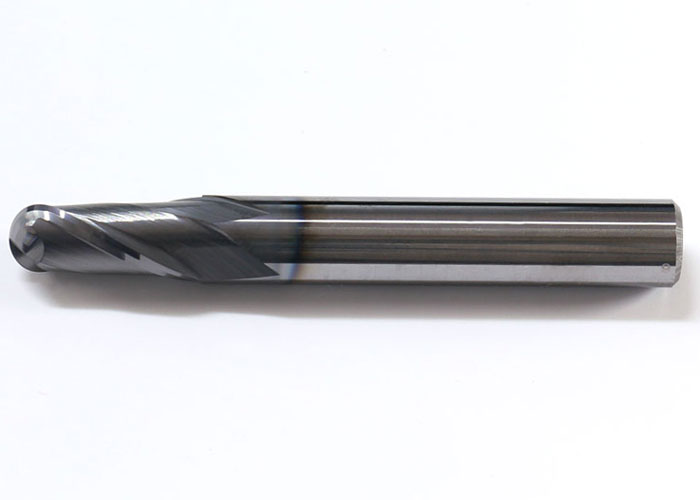
Ball end milling (also called ball nose milling) uses a cutting tool with a hemispherical tip, rather than a flat end. This tool is designed to produce smooth, contoured surfaces—especially in 3D machining.
Where flat end mills leave sharp corners, ball end mills leave smooth curves, which makes them ideal for complex geometries and part surfaces that require consistent radius profiles.
What Does a Ball End Mill Look Like?
A ball end mill has:
A rounded cutting edge (instead of a square or flat tip)
Two or more flutes (for chip evacuation)
Solid carbide, HSS, or coated carbide construction
Optional necking for deep reach or long overhangs
They’re available in metric and imperial sizes, with different flute counts depending on the material and finish required.
Where Is Ball End Milling Used?
✅ 1. 3D Contour Machining
Ball end mills are ideal for CNC machining of curved or organic surfaces, such as:
Mold cavities
Dies for plastic injection or stamping
Medical implants
Aerospace structural parts
They allow smooth transitions, fillets, and freeform shapes that flat tools can’t replicate.
✅ 2. Surface Finishing Passes
Even if a part is roughed out with a square end mill, final finishing passes often require a ball end mill to:
Eliminate sharp tool marks
Achieve better surface finish (Ra)
Prepare the part for polishing or coating
This is especially important in mold and die industries where surface texture affects final product quality.
✅ 3. Slotting or Deep Pocket Milling in 3D
Ball end mills are also helpful for cutting:
Rounded slots or grooves
Deep pockets with filleted bottom corners
Hard-to-reach features without sharp transitions
Their smooth radius helps reduce tool wear and minimize vibration in deeper cuts.
Advantages of Ball End Milling
| Advantage | Benefit |
|---|---|
| Smooth surface finish | Reduces secondary polishing work |
| Ideal for complex geometry | Perfect for 3D contours and non-linear shapes |
| Less tool stress | Rounded edge distributes cutting forces |
| Improved longevity | Especially with coatings like TiAlN or DLC |
Limitations to Consider
Ball end mills aren’t ideal for everything.
Not efficient for flat surface cutting — they leave scallop marks and take longer than flat end mills
Lower metal removal rates — due to small contact area at the tip
Can chip easily — if improperly used or fed too aggressively in hard materials
For this reason, they’re mostly used for finishing passes or light contouring, not bulk material removal.
How to Choose the Right Ball End Mill
Here are a few factors to consider:
1. Material
For aluminum: use polished carbide or DLC-coated tools
For steel or stainless: TiAlN-coated ball end mills are better
For hardened materials: go with micrograin carbide and proper geometry
2. Tool Diameter
Larger diameters cover more area and leave smoother finishes
Smaller diameters reach tighter corners but take longer
3. Number of Flutes
2-flute: better chip evacuation (ideal for aluminum)
4-flute or more: better for steels and finishing
Variable flute: helps reduce chatter in tough materials
4. Neck Length
If your part has deep contours, choose a ball end mill with reduced neck or long reach to maintain clearance.
We Offer High-Precision Ball End Mills for Every Application
At Amony, we manufacture and supply:
Solid carbide ball end mills for all materials
Coated options (DLC, TiAlN, AlCrN) for extended tool life
Long neck and miniature ball mills for fine detail work
OEM & private label options for tool resellers or distributors
Get in touch for tool specs, quotations, or technical advice based on your application.